
Retail
Published · Last updated
Retailers win when stores, warehouses and online channels share one view of stock, orders and customers. LinkedWorld's alliance implements SAP for mid-market retailers, connecting point of sale and eCommerce storefronts to inventory, purchasing and finance. The goal is consistent pricing and promotions across channels, reliable click-and-collect and store fulfillment, and demand planning built on real sales history rather than spreadsheets, all in a system that can scale with new stores and markets.
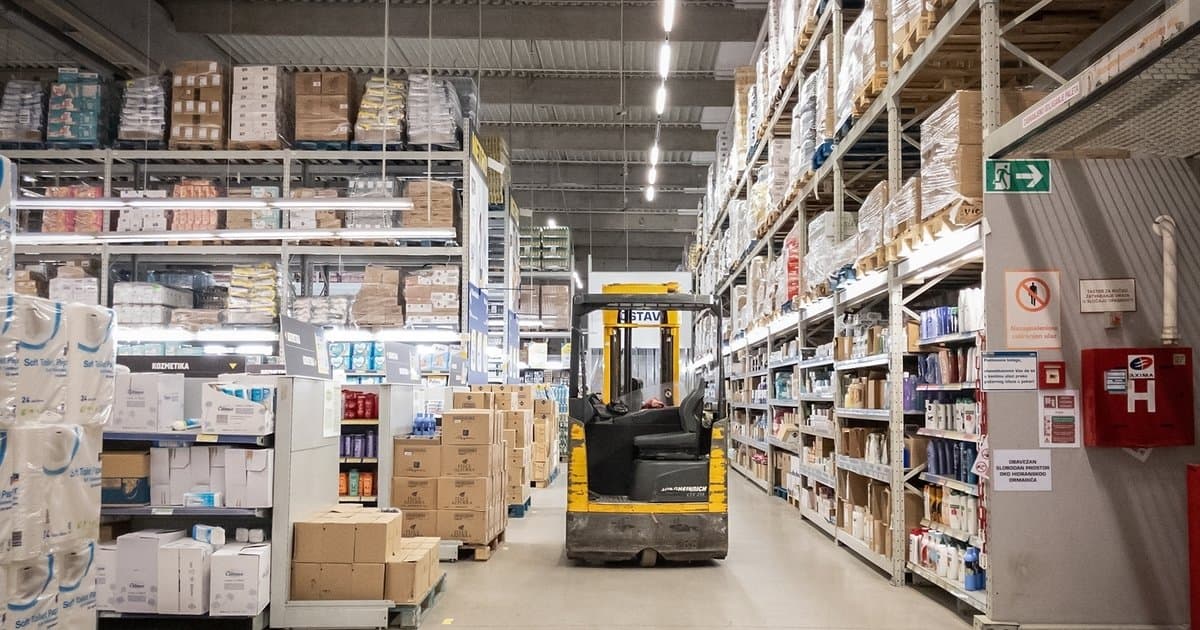
Online and offline sales channels report inventory and sales data inconsistently
Manual order processing can't keep pace with eCommerce order volume
No single view of inventory across stores, warehouses and online channels
Pricing and promotions drift out of sync between stores and online channels
Seasonal demand spikes are hard to forecast without integrated historical data
- The alliance connects point of sale and eCommerce storefronts to SAP, so every channel reports from the same inventory and sales data.
- Online orders flow automatically from checkout into fulfillment and invoicing, removing manual re-keying as order volumes grow.
- Stock across stores, warehouses and online channels is held in one system and updated as sales happen, reducing overselling.
- Prices and promotions are managed centrally and published to every channel, keeping offers consistent wherever customers shop.
- Demand planning uses historical sales from all channels to forecast seasonal peaks and guide purchasing and replenishment decisions.

Invenia
InvenIA: the AI-powered system that drives talent and knowledge…

IaaS Hosting
Infrastructure-as-a-Service: Flexible hosting platform managed on…

B2B
A B2B ecommerce sales portal that lets your customers place orders,…

PO Approval Agent
The system allows you to approve purchase orders in SAP from anywhere…
SAP Vendor Portal
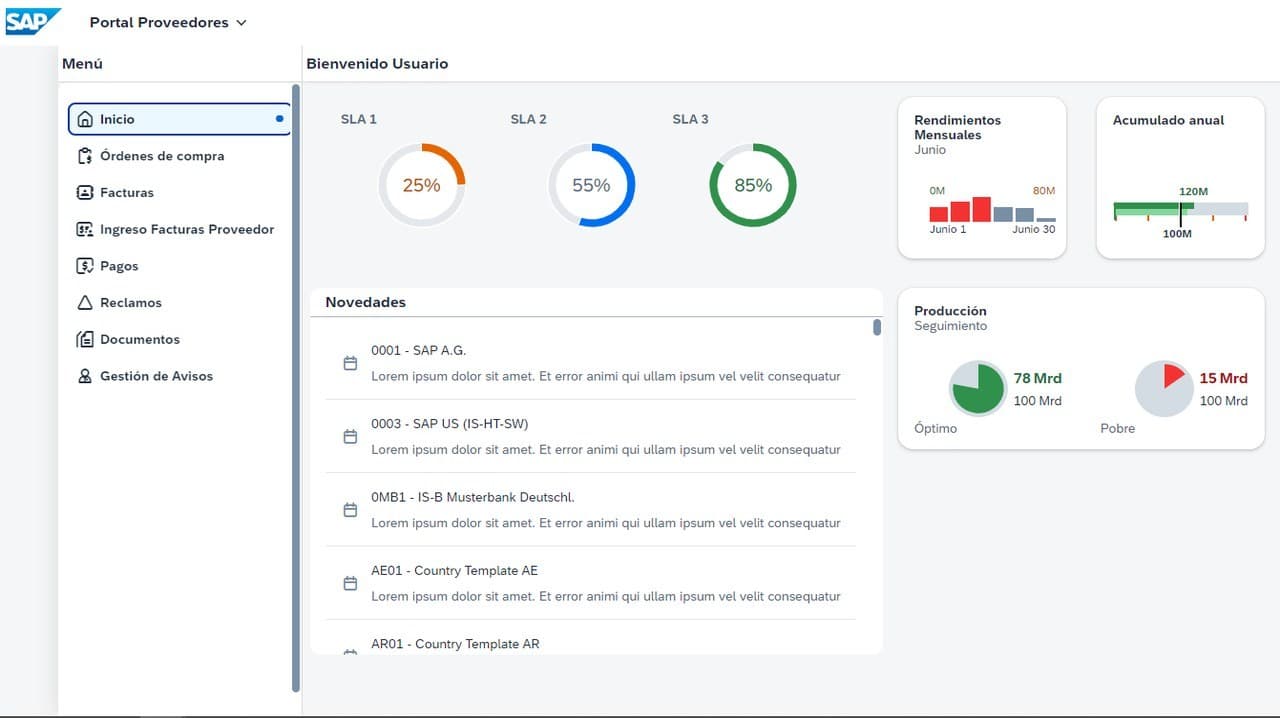
Vendor Portal Allows your vendors to self-manage their relationship…

Add-On Pronto Pago
Automatically creates credit notes for early-payment ("pronto pago")…
DocFlow Invoicing PAC Panama
DocFlow Invoicing PAC Panama is a DGI-authorized Qualified…
AI Agents for WhatsApp
HAIKU, an Enterprise AI Agent, operates 24/7 as your company's…

Aurora PO Agent
The system allows you to send an audio message via WhatsApp from…

LIMS
LIMS, the laboratory information and management system is tailored to…

CompuTec ProcessForce
CompuTec ProcessForce is a fully integrated process and discrete…

Fenicio Integration
Fenicio eCommerce is a cloud-based SaaS platform that offers…
DataFlow Bridge
DataFlow Bridge is an enterprise integration platform that connects…

Peru Localization Pack
The Peru Add-on for SAP Business One helps companies comply with…

B1WApp
A warehouse management system (WMS) that automates and optimizes…

CoreSync
CoreSync is an intelligence layer for SAP Business One support…

Salesforce Integration
Salesforce is the world's number one customer relationship management…

Bank Statement Processing for SAP Business One
An AI agent that automates bank statement processing and…
Panama Localization for SAP Business One
Enables companies to meet Panamanian legal and fiscal requirements…
SmartLynx
SmartLynx for SAP Business One SmartLynx is a tool designed to…

SMART Docs
SMART Docs enables a convenient document management and document…

Data Security
Business Continuity, Backup, Disaster Recovery, and…
Fibbo is a digital supplier portal
Fibbo is a supplier management system that digitizes the relationship…

Ventas Moviles
Takes your sales process anywhere, letting you create orders, check…
InBank – SAP Business One Bank Connection Solution
Our Inbank integration solution connects SAP Business One with your…

Mercado Libre Integration
It is an Invenzis add-on designed to integrate with SAP Business One…

Add-On CAJA CHICA
Simplifies petty cash and reimbursement administration with a…

Vendor Portal for SAP Business One on SAP HANA
A 24x7 supplier collaboration portal linked in real time to SAP…

C.One
Industry solution for midsize companies in the process manufacturing…
Ecuador Localization for SAP Business One
Enables companies to meet Ecuadorian legal and fiscal requirements…

On-Premises
On-Premises: Secured and highly localised infrastructure for SAP…

CompuTec KSeF
CompuTec KSeF is an SAP Business One integration for Poland’s…

Customer Portal for SAP Business One on SAP HANA
A secure, browser based self service portal that gives customers and…
DocFlow Invoicing
DocFlow Invoicing is an electronic invoicing platform that helps…

Colocation
Colocation: The privacy of on-prem, with the infrastructure safety of…
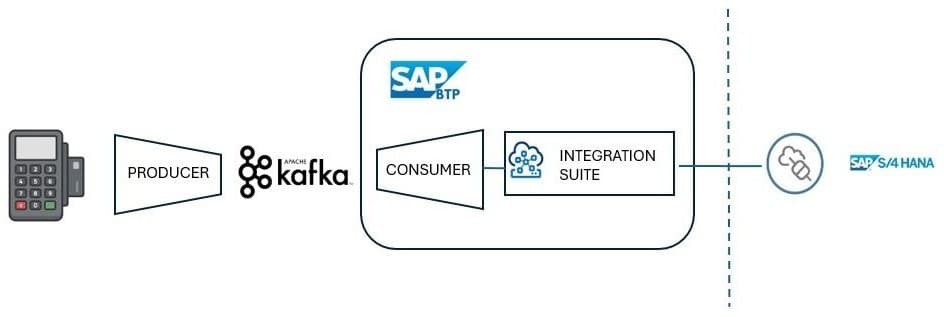
Ticket Activity Repository
The implemented event-driven architecture processes point-of-sale…

B1 Direct
Online Portal for SAP Business One b1direct, a project designed by…

Electronic Documents Add-on
The RAMO Peru Electronic Documents (Electronic Invoicing) Add-on…

Cloud Hosting
Fully managed infrastructure for organizations that want reliability,…

MCP Server for SAP Business One
SAP Business One users can now check stock levels, create and approve…

CompuTec WMS
CompuTec WMS (Warehouse Management System) optimizes warehouse…

CompuTec WebUp
CompuTec WebUp is a SAPUI5-based customization and automation toolkit…

CompuTec AppEngine
CompuTec AppEngine is an AI-ready platform of digital enablers and…

BLAZOR COTIZADOR WEB
Lets you create sales quotes from anywhere, synced in real time with…
FAQ
Can SAP integrate with our existing eCommerce platform?▾
Yes. SAP Business One and SAP Cloud ERP can be connected to widely used eCommerce platforms through SAP connectors, integration platforms or SAP BTP. Orders, customers, prices and stock levels then synchronize automatically, so online and in-store operations run from the same data instead of separate systems.
How does SAP help with omnichannel inventory visibility?▾
SAP keeps inventory for stores, warehouses and online channels in one system, so stock levels update as sales happen regardless of channel. This reduces overselling, supports click-and-collect and ship-from-store, and gives buyers a reliable picture of what to replenish and where.
Is SAP cost-effective for a mid-sized retailer?▾
SAP Business One is designed for small and mid-sized businesses, with licensing and implementation scope sized well below enterprise projects. Retailers with larger store networks or more complex merchandising can use SAP Cloud ERP. The Diagnosis phase compares options against your channel mix and growth plans before any commitment.
Can SAP support seasonal demand forecasting?▾
Yes. SAP planning functionality uses historical sales to forecast demand and suggest purchasing and replenishment. Forecast quality depends on consistent history, which is why migrating clean sales and item data early in the project matters as much as the forecasting tools themselves.
How does LinkedWorld's alliance help retailers expanding into new countries?▾
LinkedWorld pairs you with a local member partner in each country you operate in, and every project follows The LinkedWorld Standard: Diagnosis, Blueprint, Implementation, Go-Live, Support and Global Roll-out. Local partners handle fiscal rules, tax and payment requirements in each market, while the shared template keeps merchandising, inventory and reporting consistent across all countries.